Narayan Bagh
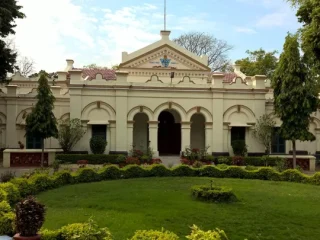
Narayan Bagh is a historic garden located in Jhansi, Uttar Pradesh, close to the city’s heritage areas. It was once used as a resting and recreational place during the time of the Jhansi rulers. The garden is known for its open spaces, greenery, and peaceful atmosphere. Narayan Bagh holds historical importance as it is associated with the escape route of Rani Lakshmibai during the 1857 revolt. Today, it remains a quiet spot that reflects Jhansi’s rich past. Narayan Bagh stands as a symbol of history blended with natural beauty.
Cantt Public Park
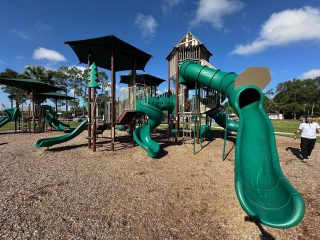
Cantt Public Park is a peaceful and well-maintained park located in the Jhansi Cantonment area of Uttar Pradesh. The park is surrounded by greenery and offers a clean, calm environment away from city noise. It features walking tracks, open lawns, and seating areas, making it ideal for morning walks and relaxation. Families and children often visit the park for leisure and outdoor activities. The disciplined and serene surroundings reflect the cantonment lifestyle. Cantt Public Park serves as a refreshing recreational space for both residents and visitors in Jhansi.
Nehru Park
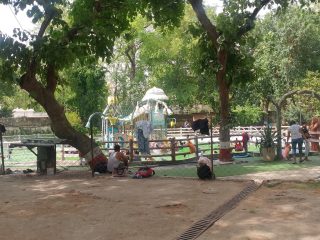
Nehru Park is a prominent public park located in Jhansi, Uttar Pradesh, named after India’s first Prime Minister, Jawaharlal Nehru. The park is known for its well-maintained gardens, walking paths, and children’s play areas, making it a favorite spot for families and morning walkers. It features lush greenery, flowering plants, and benches for relaxation, offering a peaceful environment in the heart of the city. Nehru Park also hosts cultural events, gatherings, and recreational activities on special occasions. It serves as a recreational hub while promoting community interaction and appreciation of nature in Jhansi.
Atal Ekta Park
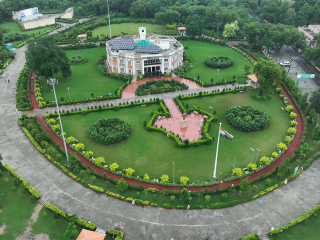
Atal Ekta Park is a well-maintained public park in Jhansi, Uttar Pradesh, created to promote unity, peace, and community engagement. The park features lush green lawns, walking paths, decorative lighting, and seating areas, making it a perfect spot for morning walks, family outings, and leisure activities. It also has statues and installations that reflect national unity and inspire civic pride. The park is designed to provide a clean and serene environment for visitors while encouraging social interaction. Atal Ekta Park is not only a recreational space but also a symbol of harmony and togetherness in Jhansi.
Veerangna Maharani Laxmi Bai Park
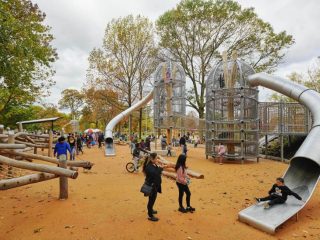
Veerangna Maharani Laxmi Bai Park is a popular public park in Jhansi, Uttar Pradesh, dedicated to the memory of the brave queen, Rani Laxmi Bai. The park is beautifully landscaped with lush green lawns, flower beds, and walking paths, making it an ideal place for families and visitors to relax. Statues and memorials of Rani Laxmi Bai inside the park honor her courage and patriotism during the 1857 rebellion. The park also hosts cultural events and gatherings on special occasions. It serves as a peaceful spot for recreation while celebrating the legacy of Jhansi’s most celebrated heroine.
Bundelkhand Literature Festival
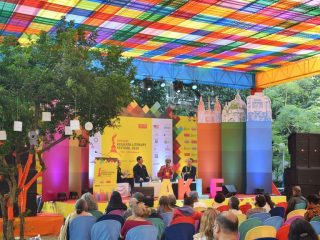
The Bundelkhand Literature Festival is an annual cultural event held in Jhansi, Uttar Pradesh, celebrating the rich literary heritage of the Bundelkhand region. It brings together writers, poets, scholars, and literature enthusiasts from across India. The festival features book readings, panel discussions, poetry recitals, workshops, and storytelling sessions that promote regional languages and literature. It also highlights the works of local authors and the history of Bundelkhand. The festival encourages dialogue between writers and readers, inspiring creativity and preserving literary traditions. Bundelkhand Literature Festival is a platform that blends culture, knowledge, and artistic expression in Jhansi.
Holi
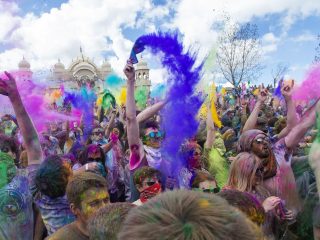
Holi is a vibrant and joyous festival celebrated with great enthusiasm in Jhansi, Uttar Pradesh. Known as the Festival of Colors, it marks the arrival of spring and the victory of good over evil. People celebrate by throwing colored powders, spraying colored water, singing, dancing, and sharing festive sweets like gujiya and thandai. Bonfires are lit on the eve of Holi, known as Holika Dahan, symbolizing the burning of evil. In Jhansi, Holi is celebrated with lively community gatherings, traditional music, and playful fun, bringing people of all ages together in a spirit of unity and joy.
Maha Shivaratri
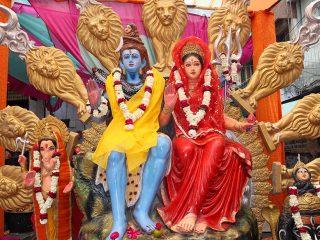
Maha Shivaratri is a major Hindu festival celebrated in Jhansi, Uttar Pradesh, in honor of Lord Shiva. It usually falls in February or March and is observed with great devotion and enthusiasm. Devotees visit Shiva temples, especially the prominent Mahamandir and other local shrines, to offer prayers, milk, and flowers to the Shiva Lingam. Many people observe fasting and stay awake all night, chanting hymns and singing bhajans. The festival symbolizes the union of Lord Shiva and Goddess Parvati and the triumph of knowledge over ignorance. In Jhansi, Maha Shivaratri is marked by spiritual fervor, temple processions, and cultural gatherings.
Diwali
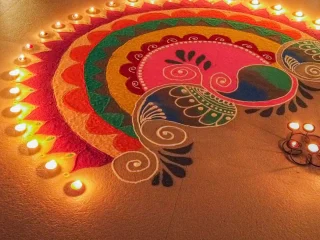
Diwali, also known as the Festival of Lights, is one of the most celebrated festivals in Jhansi, Uttar Pradesh, and across India. It marks the victory of light over darkness and good over evil. During Diwali, homes and streets are decorated with lamps, candles, and colorful rangoli designs. People worship Goddess Lakshmi for wealth and prosperity, exchange gifts, and enjoy festive sweets. Fireworks and family gatherings make the celebration lively and joyful. In Jhansi, Diwali is celebrated with traditional fervor, reflecting the city’s rich cultural heritage and community spirit.
Jhansi Mahotsav
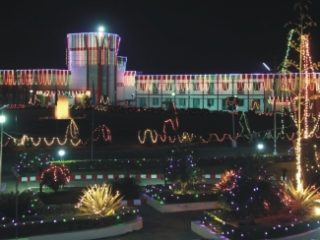
Jhansi Mahotsav is a vibrant annual cultural festival held in Jhansi, Uttar Pradesh, usually in February or March. It celebrates the rich heritage, art, and traditions of the Bundelkhand region. The festival features folk music, dance performances, handicraft exhibitions, and local cuisine stalls, attracting tourists and locals alike. It also includes programs honoring the bravery and legacy of Rani Lakshmibai. Jhansi Mahotsav provides a platform for artists and craftsmen to showcase their talent. The event is a lively blend of culture, history, and entertainment, making it a must-visit celebration in Jhansi.