
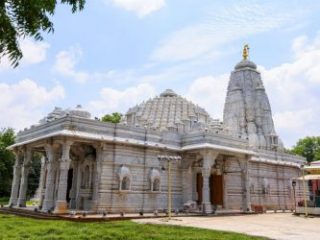
Karguvanji Jain Temple
Karguvanji Jain temple is a 700-year-old temple, resting amidst the vicinity of Jhansi city. It is an important pilgrimage for Digambar Jains, a sect that believes in renouncing all material things to attain salvation – including clothes. The full name of the temple is Shri Digamber Jain Atishaya Kshetra Sanvaliya Parasnath Karguvanji, Atishay Kshetra meaning a place of miracles.
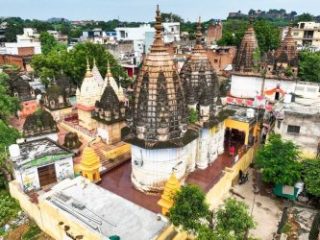
Madia Mahadev Mandir
It is a group of temples located in the heart of Jhansi city in Jhokan bagh area. These temples are believed to be built by Gusain sant of this region who also ruled in the Jhansi district for few years. It is also believed that these temples are built over samadhis of Gusain Sant dedicated to lord Shiva. The major temple is known as Mahakaleswar temple which has a large Shiva linga of Kasauti -stone (basalt stone) in its sanctum sanctorum. The group of temple is protected monument of U.P. State Archaeological department.
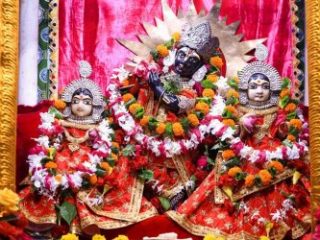
Murli Manohar Mandir
This temple is located in the Jhansi city. It is a grand palacelike building where Lord Krishna is worshiped. It is estimated to have been built in 1780. This temple was built by Sakku Bai, mother-in-law of Rani Laxmi Bai of Jhansi. Sakku Bai was the mother of Raja Gangadhar Rao of Jhansi. It is said that this temple was the main center of faith of the royal family. Rani Lakshmi Bai used to come with her mother-in-law to worship in this temple. Even today people come from far and wide to see this temple. This temple is also maintained by traditional Marathi family.
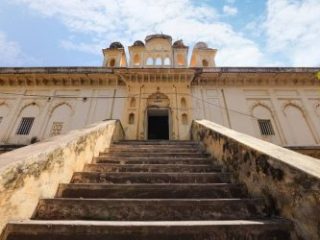
Laxmi Temple
The Lakshmi Temple, next to a pond known as ‘Laxmi Tal’ is intimately linked to the life of Rani Laxmibai of Jhansi. The Rani used to regularly pray at this shrine. It was the chief temple of Maharajas of Jhansi as it housed their ‘Kul Devi’ or Patron Goddess. The temple was built by Maratha Subedar Shivrao Bhau (1794-1814 AD).
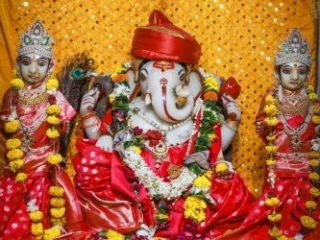
Ganesh Temple
In the narrow bylanes of Jhansi’s old city, inside Ganesh Bazaar, is a Ganesh Temple, where Raja Gangadharrao of Jhansi married a young girl named Manikarnika Tambe in 1842. After the wedding, according to Marathi custom, the bride was given a new name – ‘Rani Laxmibai’. This iconic Ganesh Temple is said to have been built in the 1760s CE but it is not clear who built it. While some claim it was Vishwas Rao Lakshman (or Vilas Rao Lakshman), the Subedar of Jhansi under the Maratha Peshwas from 1766 to 1769 CE, others say it was his successor Raghunathrao Newalkar, founder of the Newalkar dynasty. Today, the temple serves as a prominent centre of Jhansi’s local community. A unique marble idol of lord Ganesh is located in the sanctum.